Total Lunar Eclipse Broadcast – March 3, 2026
Live online broadcast of the total lunar eclipse from Griffith Observatory.
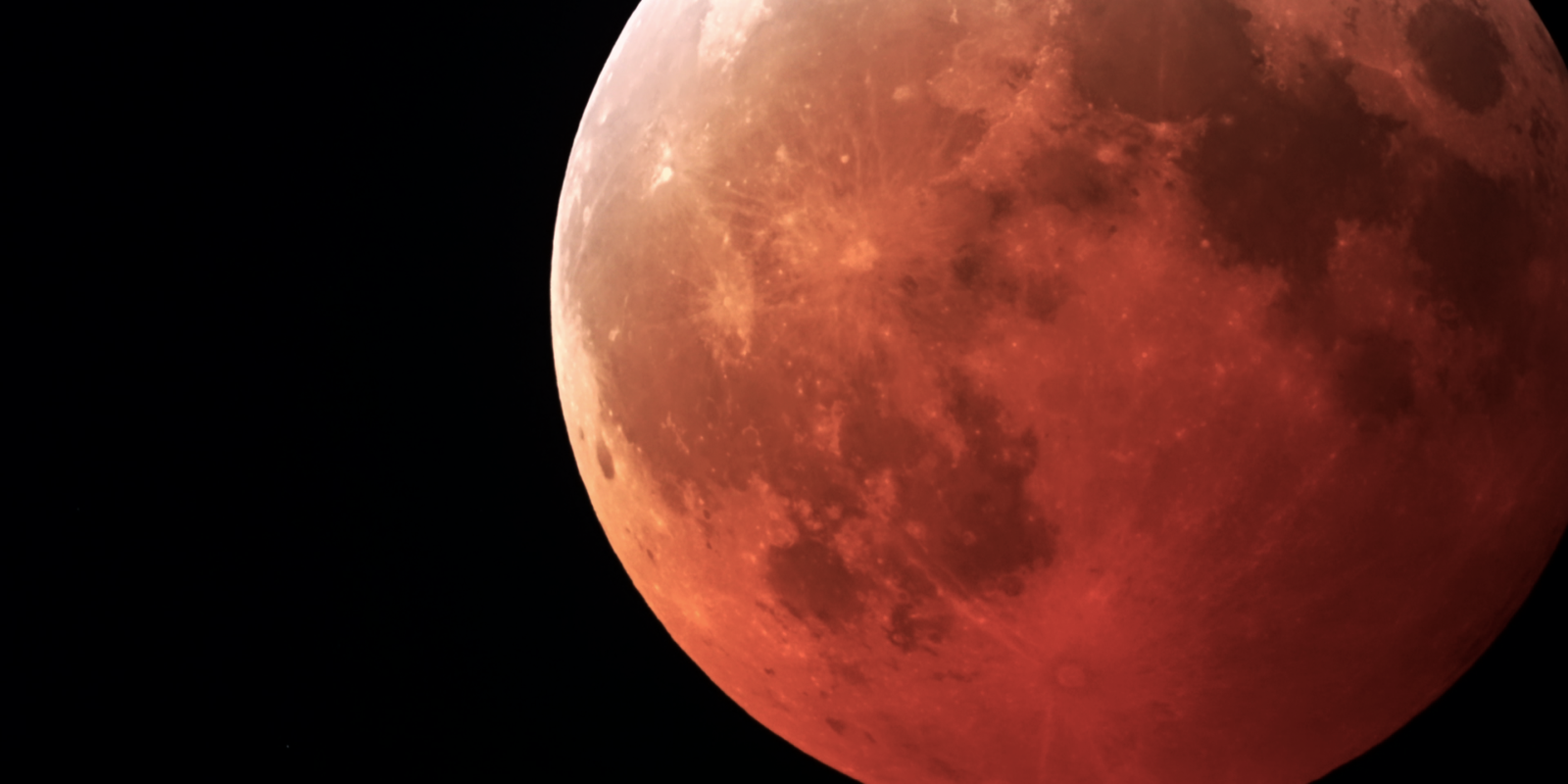
On March 3 between midnight and dawn, there will be a total lunar eclipse visible from Los Angeles.
Griffith Observatory is hosting an online broadcast of the total lunar eclipse on March 3 from 12:37 a.m. – 6:25 a.m., PST. Griffith Observatory is NOT conducting onsite public viewing. Griffith Park will NOT be open during the broadcast. The Observatory will stream the eclipse live online, weather permitting.
NOTE: If skies are clear, the eclipse should be visible to the unaided eye from anywhere in southern California. It is safe to view a lunar eclipse without any eye protection. You do not need a telescope to see a lunar eclipse. Just go outside and look to the southwest.
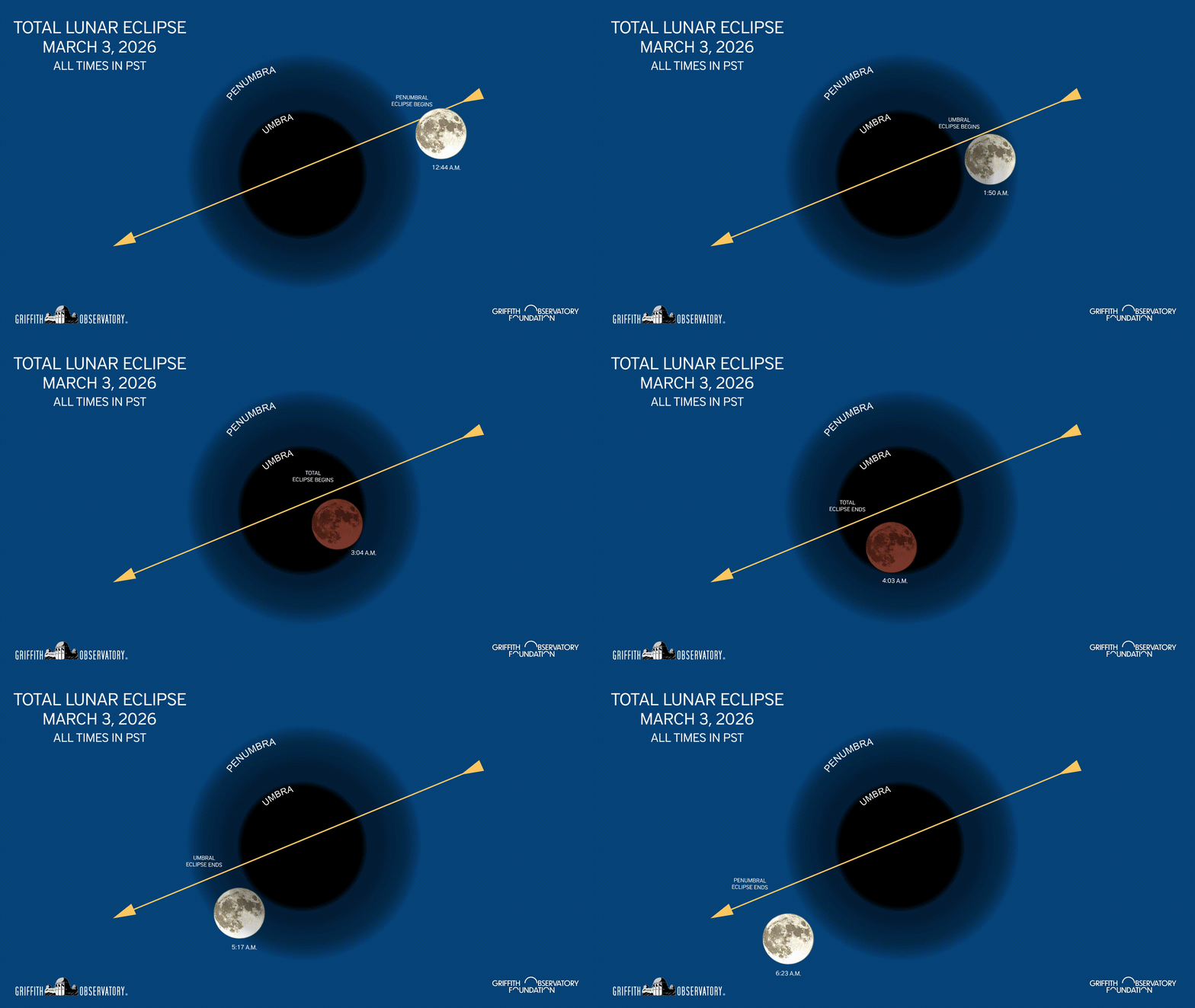
Eclipse Broadcast Timeline (All Times in PST)
| 6:25 p.m. | Moonrise |
| 12:37 a.m. | Online broadcast begins |
| 12:44 a.m. | Penumbral eclipse begins |
| 1:50 a.m. | Umbral eclipse begins |
| 3:04 a.m. | Total eclipse begins |
| 3:34 a.m. | Greatest Eclipse |
| 4:03 a.m. | Total eclipse ends |
| 5:17 a.m. | Umbral eclipse ends |
| 6:23 a.m. | Penumbral eclipse ends |
| 6:25 a.m. | Online broadcast ends |
What is a Total Lunar Eclipse?

A total lunar eclipse occurs when the Moon passes completely into the dark inner shadow, or umbra, cast by the Earth. On March 3, one hundred percent of the round disk of the full Moon slowly moves into the dark shadow, and the bright Moon grows dim. The Moon does not, however, go completely dark. Instead, it usually glows with a copper or red color, a result of sunlight being filtered and bent through the Earth’s atmosphere (much like a sunset).
The lunar eclipse is visible throughout southern California and may be seen easily with the unaided eye, although telescopes or binoculars may enhance the view.
The next partial lunar eclipse will occur on August 27-28, 2026
To learn more about eclipses, please visit our eclipse info page.
Advice for Viewing
If skies are clear, the eclipse will be visible to the unaided eye from anywhere in continental United States. It is safe to view a lunar eclipse without any eye protection. You do not need a telescope to see a lunar eclipse. Just go outside and look to the southwest.